Vacuum Skin Packaging Trays, such as those provided by Anasheen, are widely used in the food industry for preserving the freshness and extending the shelf life of various products. However, users often face challenges related to Custom Map Packaging Tray storage and transport, which can lead to potential product damage and increased costs. The primary concerns include ensuring proper sealing, preventing contamination, and maintaining product integrity during transit. This guide addresses these pain points and provides actionable solutions based on real user experiences.
Required Preparation for Safe Storage and Transportation of Vacuum Skin Packaging Trays
Before attempting to store or transport vacuum skin packaging trays, it's crucial to gather the necessary materials and tools. Here's a comprehensive list of prerequisites:
- Vacuum Sealer Machine: A high-quality vacuum sealer is essential to ensure airtight seals on your trays. Models that can reduce oxygen levels by at least 99% are recommended.
- Storage Containers: Use food-grade, stackable containers that can withstand varying temperatures and prevent cross-contamination.
- Insulated Shipping Boxes: To maintain temperature and protect from physical damage, consider insulated shipping boxes designed for the food transport industry.
- Ice Packs or Dry Ice: For perishable items, especially when shipping over long distances, ensure you're prepared with proper cooling methods.
- Labels and Markers: Clearly mark each package with contents, handling instructions, and expiration dates to avoid mishaps during storage and transportation.
Step-by-Step Guidance for Storing and Transporting Vacuum Skin Packaging Trays
To store and transport your vacuum skin packaging trays safely, follow these detailed and actionable steps:
- Choose the Right Tray: Ensure the tray is compatible with your product size. For instance, a 0.7 mm thick tray can hold up to 2 kg of meat efficiently, while thinner trays may not provide adequate support.
- Use the Vacuum Sealer: Place the product inside the vacuum skin tray, ensuring that it is centered. Seal using a vacuum sealer that provides a measured vacuum level of 20-30 inHg for optimal preservation.
- Inspect Seals: After sealing, check all edges of the vacuum skin packaging for any defects. A 99% air removal ensures that your product is protected from spoilage.
- Label the Products: Use durable labels with clear information. This should include product names, storage instructions, and the packaging date for optimal management.
- Store Correctly: Keep trays in cool, dry areas away from direct sunlight. Ideal storage temperatures range between 0°C to 4°C (32°F to 39°F).
- Prepare for Transport: Use insulated boxes and add ice packs if necessary to maintain optimal temperature during shipping.
- Stack with Care: When loading vacuum trays into storage or transport boxes, stack them securely to prevent any crushing or shifting.
- Final Inspection: Before sealing the transport box, conduct a final inspection of the trays and ensure they are securely wrapped and well-labeled.
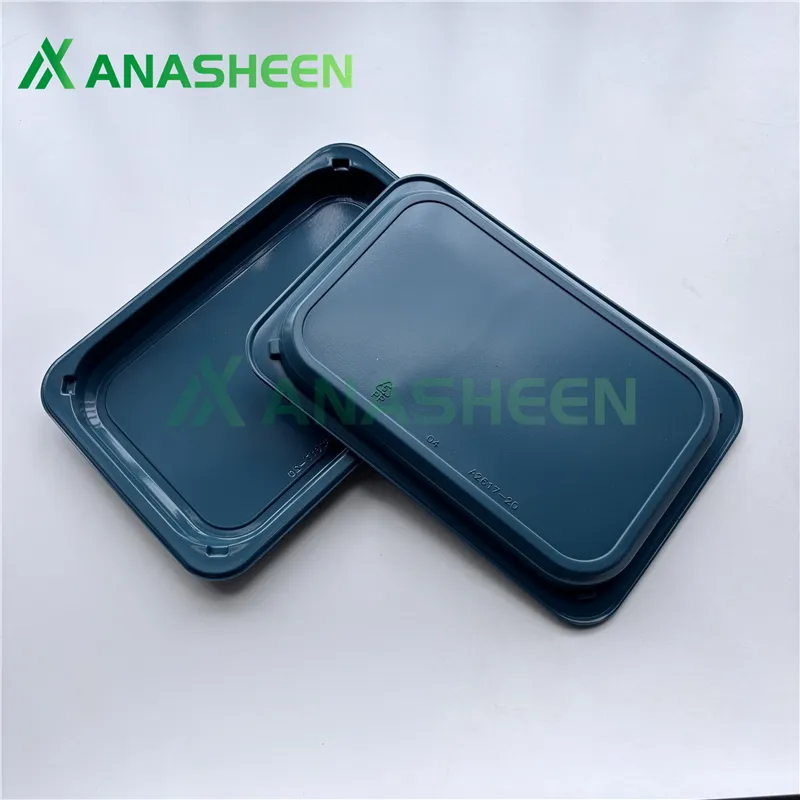
Common Errors and Solutions in Storing and Transporting Vacuum Skin Packaging Trays
When dealing with vacuum skin packaging trays, users might encounter a few common errors. Here are solutions based on real experiences:
- Poor Sealing: If trays aren't sealed correctly, it can lead to spoilage. Ensure your vacuum sealer is calibrated correctly, and always do a test run with sample products.
- Temperature Fluctuations: Trays exposed to varying temperatures can cause condensation and shorten shelf life. Always use insulated containers and monitor temperatures using digital thermometers.
- Incorrect Labeling: Mislabeling can cause confusion. Adopt a standardized labeling system to improve accuracy and efficiency.
Summary and Suggestions for Vacuum Skin Packaging Tray Management
In summary, successfully storing and transporting vacuum skin packaging trays involves careful planning, adherence to best practices, and continuous monitoring. Users can avoid food spoilage and ensure product integrity by investing in quality tools and materials, following step-by-step guidelines, and learning from common pitfalls. Always choose reliable brands like Anasheen for high-quality vacuum skin packaging solutions.
Frequently Asked Questions (FAQ)
- How long can food last in vacuum skin packaging? Generally, vacuum skin packaging extends the shelf life of products by 2-5 times, compared to traditional packaging methods, depending on the food type.
- Can I reuse vacuum skin packaging trays? While it's not recommended due to hygiene concerns, some trays can be cleaned and reused if they are food-safe and free from contaminants.
- What types of products are best suited for vacuum skin packaging? Meats, cheeses, and processed foods typically benefit most from vacuum skin packaging due to their susceptibility to spoilage and oxygen exposure.


