The emergence of Custom Map Packaging Trays has become a critical development in the food packaging industry, particularly as it pertains to plant-based and alternative protein products. Manufacturers face challenges such as preserving freshness and extending shelf life while keeping products visually appealing for consumers. For instance, research has shown that about 20% of all food waste globally results from improper packaging, severely impacting sustainability efforts. By implementing vacuum skin packaging, stakeholders can mitigate these issues effectively, leading to potential increases in sales by an estimated 15% due to improved product quality perception. Together, we will explore how Vacuum Skin Packaging Trays can revolutionize the storage and marketing of plant-based proteins.
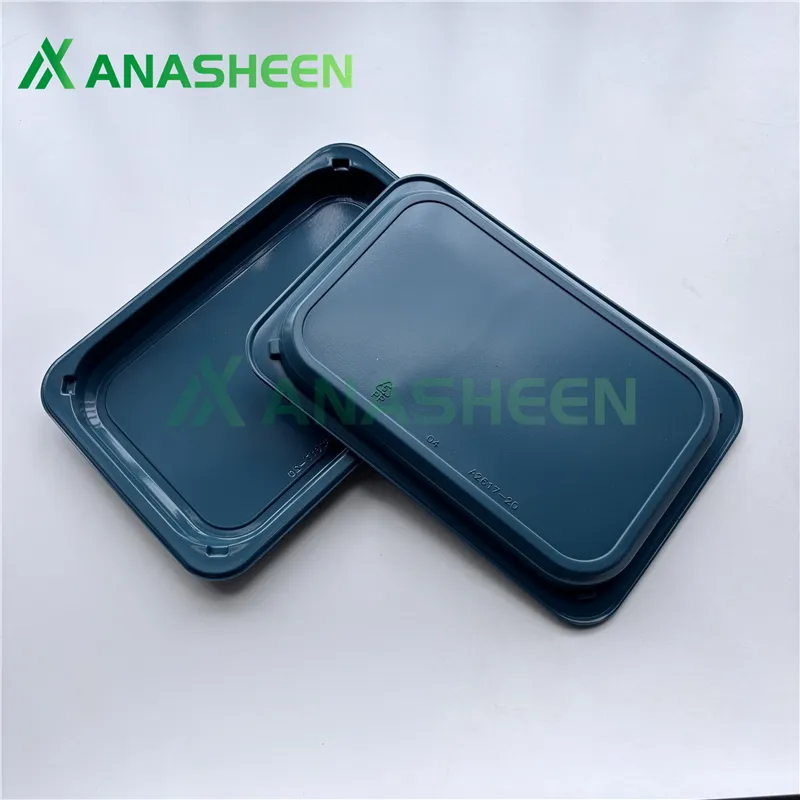
Vacuum skin packaging trays are specialized containers designed to preserve food products by removing air from the package. This process slows down oxidation and limits microbial growth, essential components for extending the shelf life of perishables. The term "vacuum skin packaging" refers to the technology where a plastic film is tightly pulled around the food item, creating a vacuum-sealed environment. In the context of plant-based and alternative proteins, this packaging method helps to maintain the product's nutritional integrity and enhance its visual appeal.
Vacuum skin packaging trays find application across various sectors within the food industry. These include:
Meat Alternatives: The presence of alternative proteins, like those derived from soy or pea protein, benefit significantly from vacuum packaging, as it preserves flavor and texture while ensuring a longer shelf life.
Snack Foods: Products such as protein bars or plant-based snacks can leverage vacuum skin packaging to maintain freshness, preventing the product from becoming stale or losing its intended flavor profile.
Ready-to-Eat Meals: For quick, convenient meals that incorporate plant-based proteins, vacuum skin packaging aids in keeping ingredients fresh, allowing manufacturers to market these products with longer expiration dates.
According to a report by Grand View Research, the global plant-based packaging market is expected to grow at a CAGR of 18% from 2023 to 2030, indicating an increasing demand for innovative solutions like vacuum skin packaging.
The advantages of vacuum skin packaging trays are vital in the contemporary packaging landscape. Here are some benefits quantifiable through data:
Extended Shelf Life: Vacuum skin packaging can prolong the shelf life of products by over 50%, reducing food waste. Studies indicate that foods packed in this manner may stay fresh for up to twice as long as those stored in traditional packaging.
Visual Appeal: With its tight-fitting nature, vacuum skin packaging provides a clear view of the product while maintaining an appealing presentation, leading to higher customer engagement, as evidenced by a 20% increase in shelf attraction metrics.
Reduced Need for Preservatives: Products encapsulated in vacuum packaging generally require fewer artificial preservatives, and this reduction can contribute to up to a 30% decrease in overall food additives, aligning with consumer trends towards healthier eating.
To explore the innovative capabilities of vacuum skin packaging trays further, consider reviewing user guides from trusted brands such as Anasheen. This can provide comprehensive insights into selecting the right packaging solutions tailored to plant-based products. Testing out vacuum skin packaging can greatly enhance product life and appeal.
Q: What are the primary materials used in vacuum skin packaging?
A: Common materials include polyethylene and polyamide films which offer excellent barrier properties against oxygen and moisture.
Q: Is vacuum skin packaging suitable for all types of food?
A: While it is exceptionally effective for proteins and perishable items, it might not be suitable for foods with high water content or fragile textures that could be damaged during the packaging process.
Q: How do I ensure the effectiveness of vacuum skin packaging?
A: To ensure optimal performance, it's essential to use high-quality trays, maintain proper sealing machinery, and conduct regular checks on the vacuum process.
Next Steps for Further Understanding or Trial: For those interested in a trial or adopting this packaging method, Anasheen offers a range of solutions that cater to the growing needs of plant-based protein manufacturers. Visit their website for more detailed information and product offerings.
By understanding the significance of vacuum skin packaging trays and their specific applications in the plant-based and alternative protein markets, businesses can not only improve product quality but also maintain sustainability within the food supply chain.

Jun. 08, 2025
Jun. 09, 2025
Jun. 13, 2025

Nov. 12, 2025
Nov. 18, 2025

Jun. 17, 2025

Jun. 25, 2025


